
Your shopping cart doesn't have any products yet!

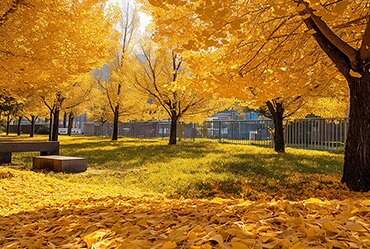

Unveiling the mystery of the "metabolic system" of the garden, we will discover that those randomly discarded branches, fallen leaves and weeds are waiting for a magnificent transformation from "waste" to "gold".

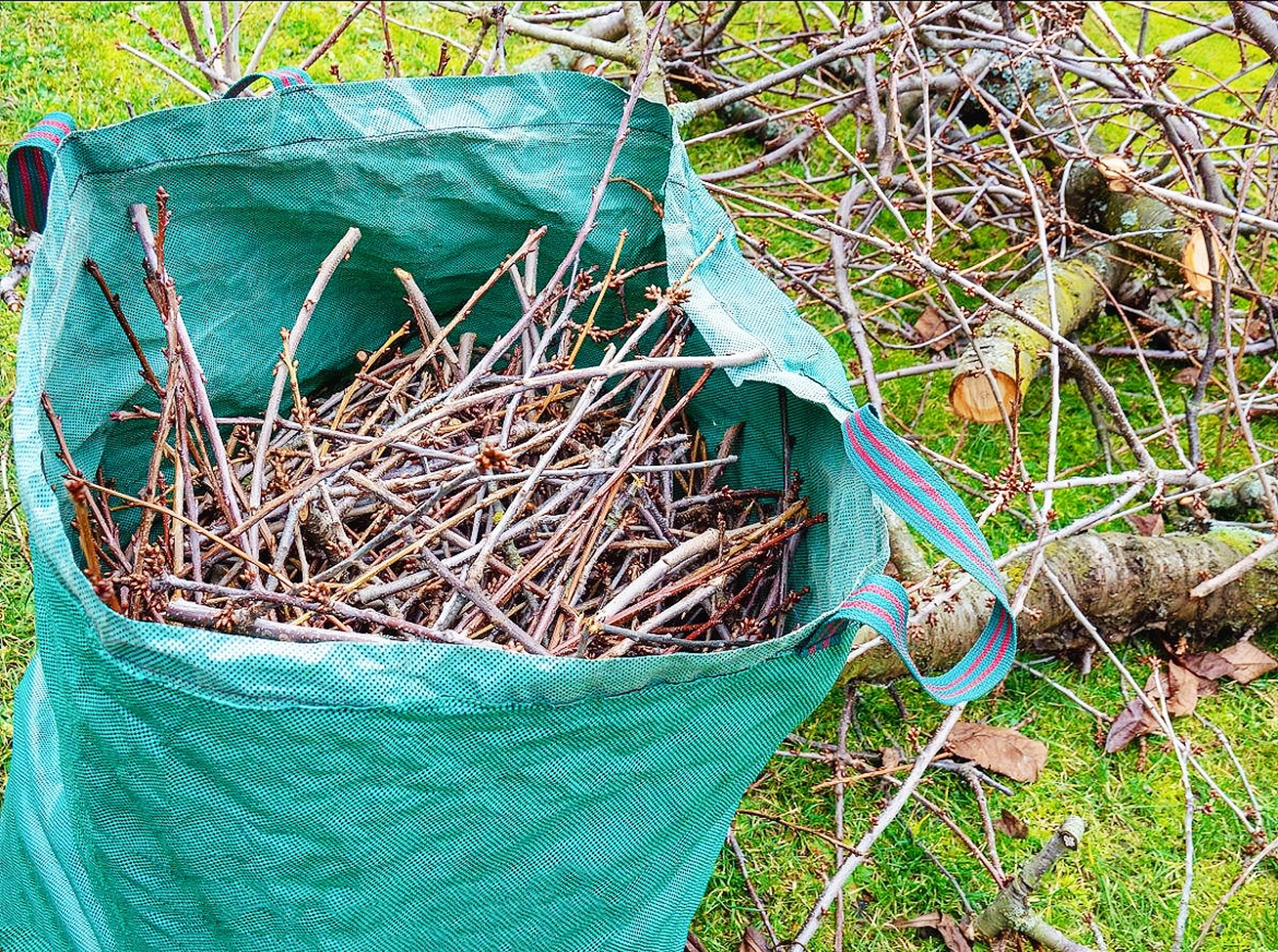
The composition of garden waste resembles a sophisticated ecological formula. Among them, pruned branches account for as much as 60%, followed by fallen leaves. And weeds, as the "inhabitants" of the green belt, are constantly produced in the cycle of growth and removal. These three types of substances together constitute the "by-products" of the garden's metabolism, and they test the city's handling capacity with an astonishing quantity every year.
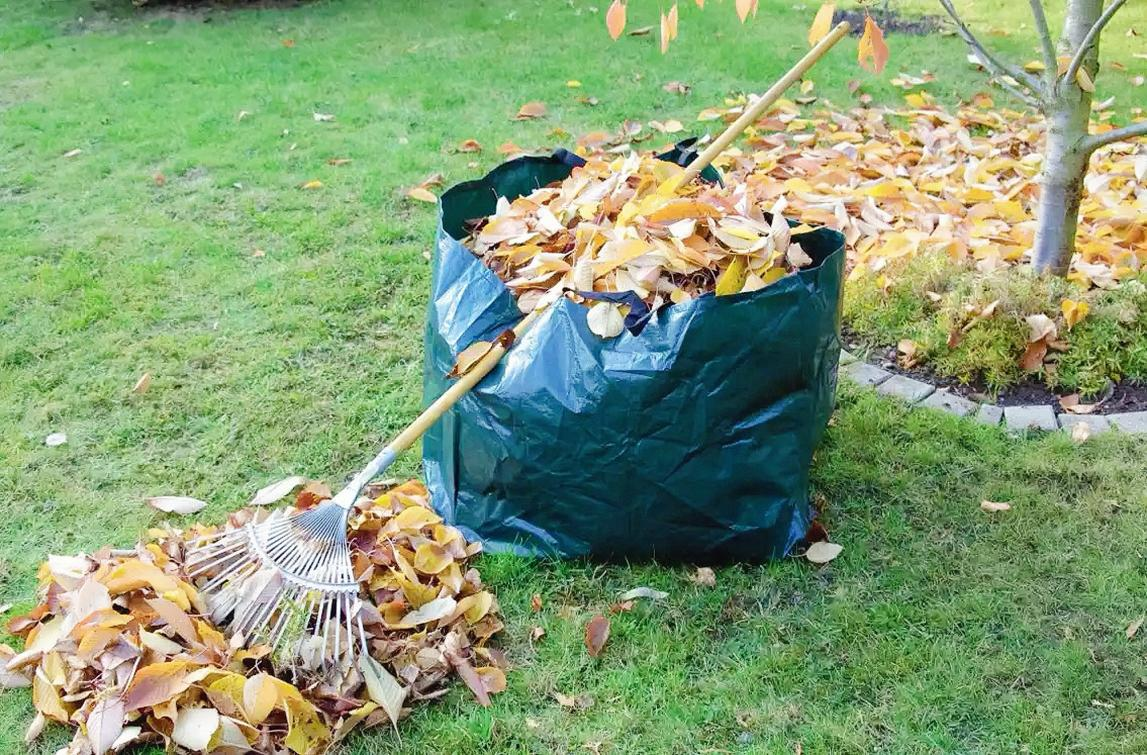
The traditional approach has put these resources in an awkward situation. The transportation process can be described as a "cost black hole". A large amount of fluffy branches and fallen leaves require a huge amount of transportation space, and the costs of manpower and fuel keep rising. What's more worrying is the incineration process. Although the fierce flames can make the waste "disappear", they will release a large amount of carbon dioxide and harmful gases, casting a grey shadow over the air. And landfilling is another form of hidden waste. It not only occupies precious land resources but also causes these organic substances that could be recycled to slowly rot in an oxygen-deficient environment, losing the opportunity to return to nature.
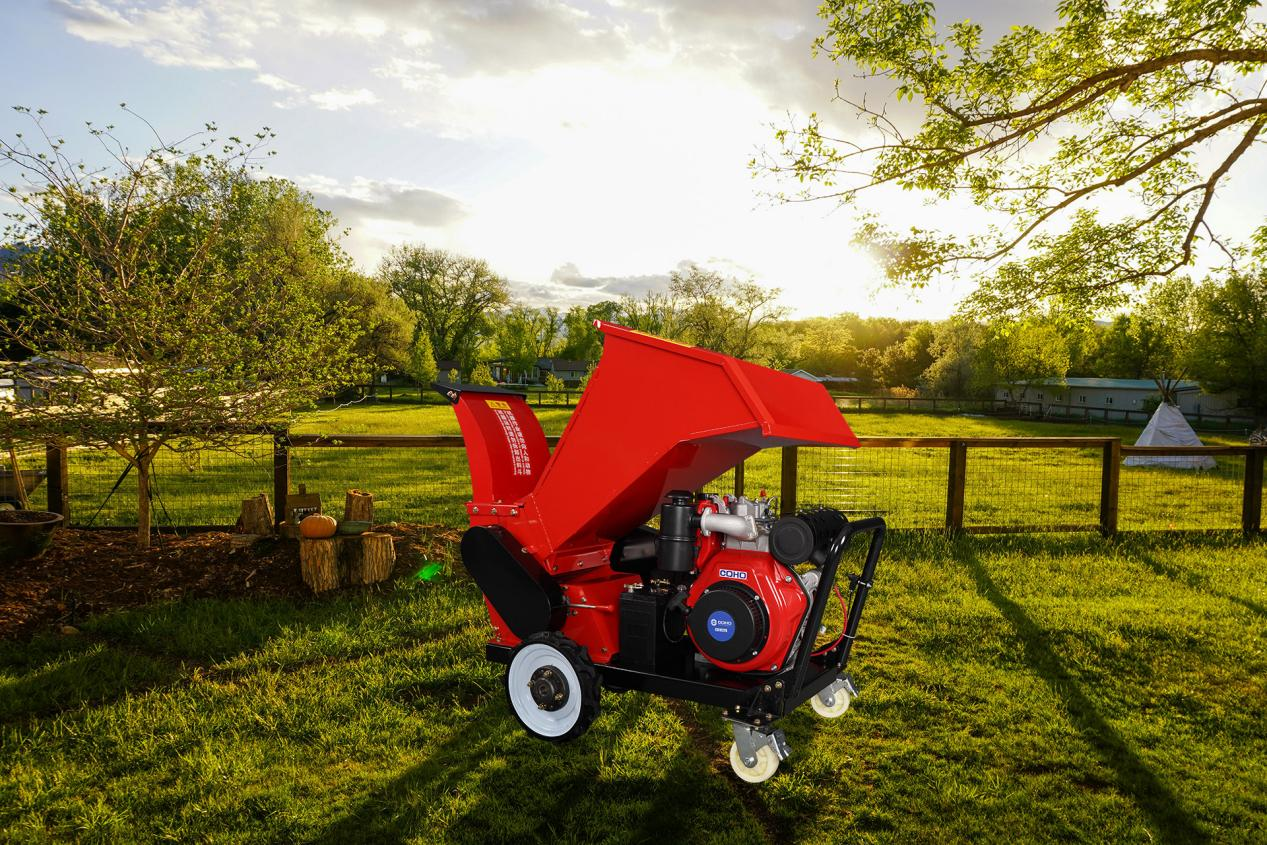
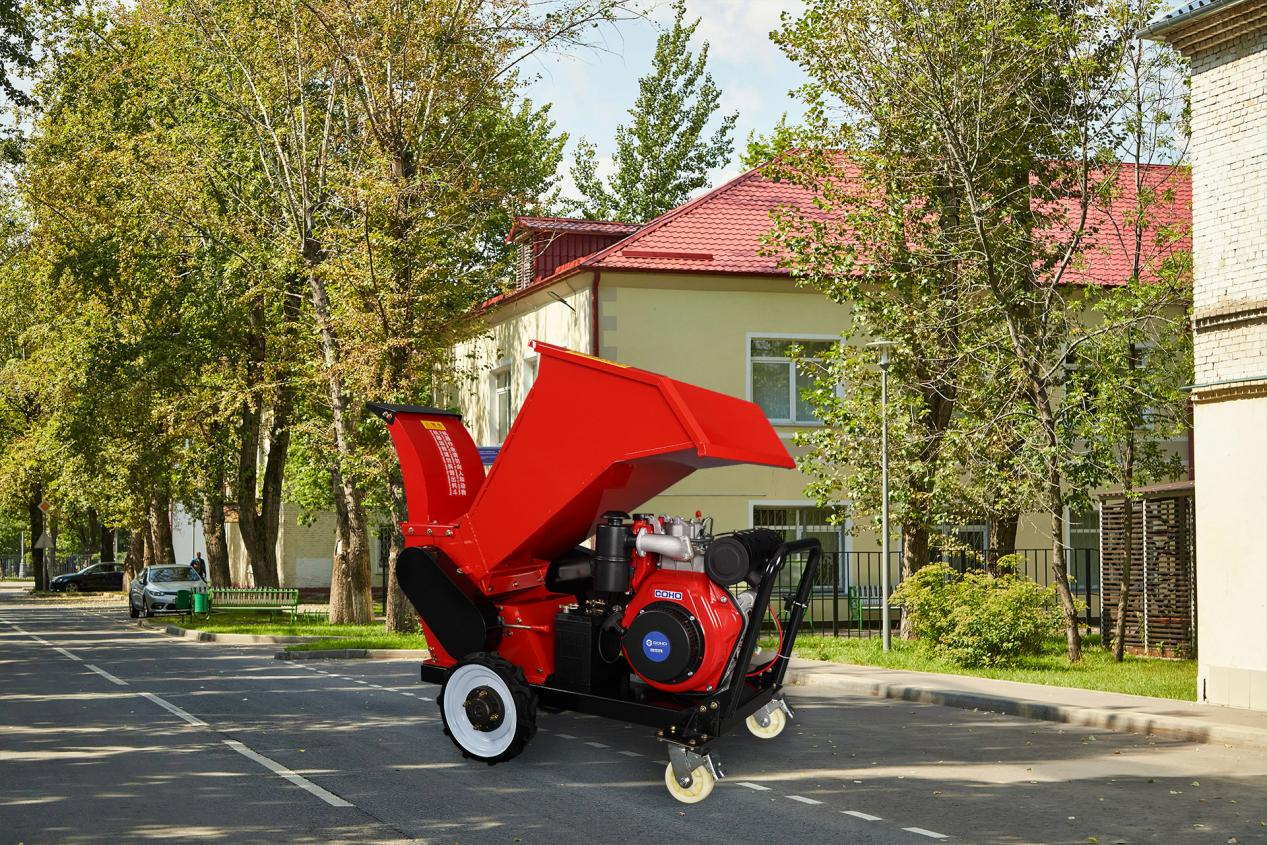
The turning point began with a seemingly ordinary machine - the wood chopper. Its emergence opened a door to a new life for garden waste. The design of the mobile diesel engine enabled it to overcome site limitations. Whether it was scattered branches in the depths of an orchard or the pruning site on the street, it could perform operations immediately, eliminating the hassle of long-distance transportation. What's even more astonishing is its conversion capability of the cutter drum. Coarse branches with a diameter of 13 centimeters were instantly transformed into uniform wood chips of 2 centimeters, laying a good foundation for subsequent utilization.
The construction of the circular loop enables these wood chips to truly achieve the transformation from waste to treasure. When laid as a covering material on the soil surface, they can effectively retain moisture, reduce evaporation, and inhibit the growth of weeds. As a composting substrate, the wood chips gradually decompose under the action of microorganisms, converting into nutrient-rich organic fertilizers. Practice has shown that orchards using this type of compost can increase the organic matter content of the soil by 15%, not only improving the soil structure but also enhancing the quality and yield of the fruits.
From discarded branches to the "gold" that nourishes the land, the journey of the rebirth of garden waste not only solves the disposal problems but also interprets the profound essence of the circular economy. When we learn to examine the "waste" around us with wisdom, we will discover that the code for sustainable development might be hidden in these seemingly insignificant details.