
Your shopping cart doesn't have any products yet!

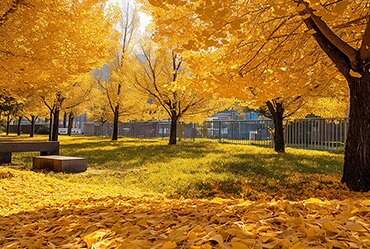
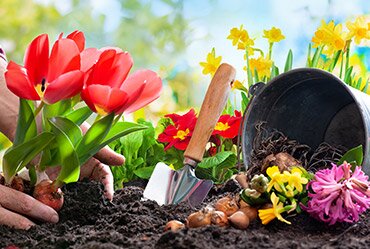
The garden is an artistic creation where nature and human craftsmanship blend together. Every plant is a living component. If we compare the garden to an organic living entity, then the trees are the "bones" that support the whole, the shrubs are like the "muscles" filling the space, and the hedges are the "skin" covering the outside. The plant structure pruning technique precisely shapes this beauty of life through scientific methods, and a handy gardening pair of scissors is an indispensable precision tool in this "shaping surgery".
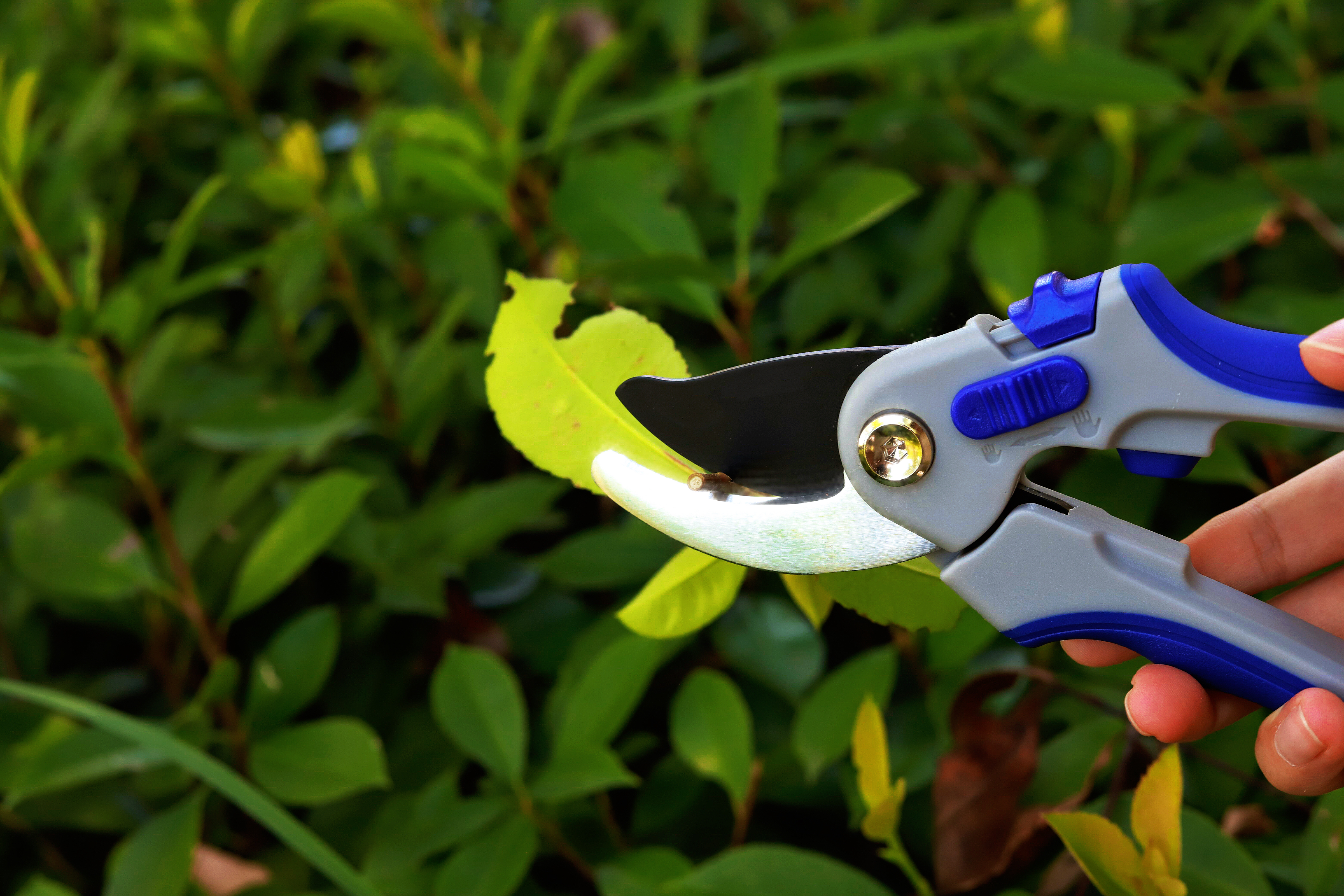
The hierarchical structure of the branches of a tree is similar to the framework system of a building, determining the layout of the garden space and influencing the photosynthetic efficiency. During maintenance, special attention should be paid to the angle between the main trunk and the side branches: acute angles are prone to impeding the transportation of nutrients, while obtuse angles may cause fractures due to excessive load-bearing. The precise cutting ability of professional gardening scissors is particularly important here, as it can avoid excessive damage to the wood when removing crossing branches and weak or diseased branches, protecting the conduit system responsible for water transportation.
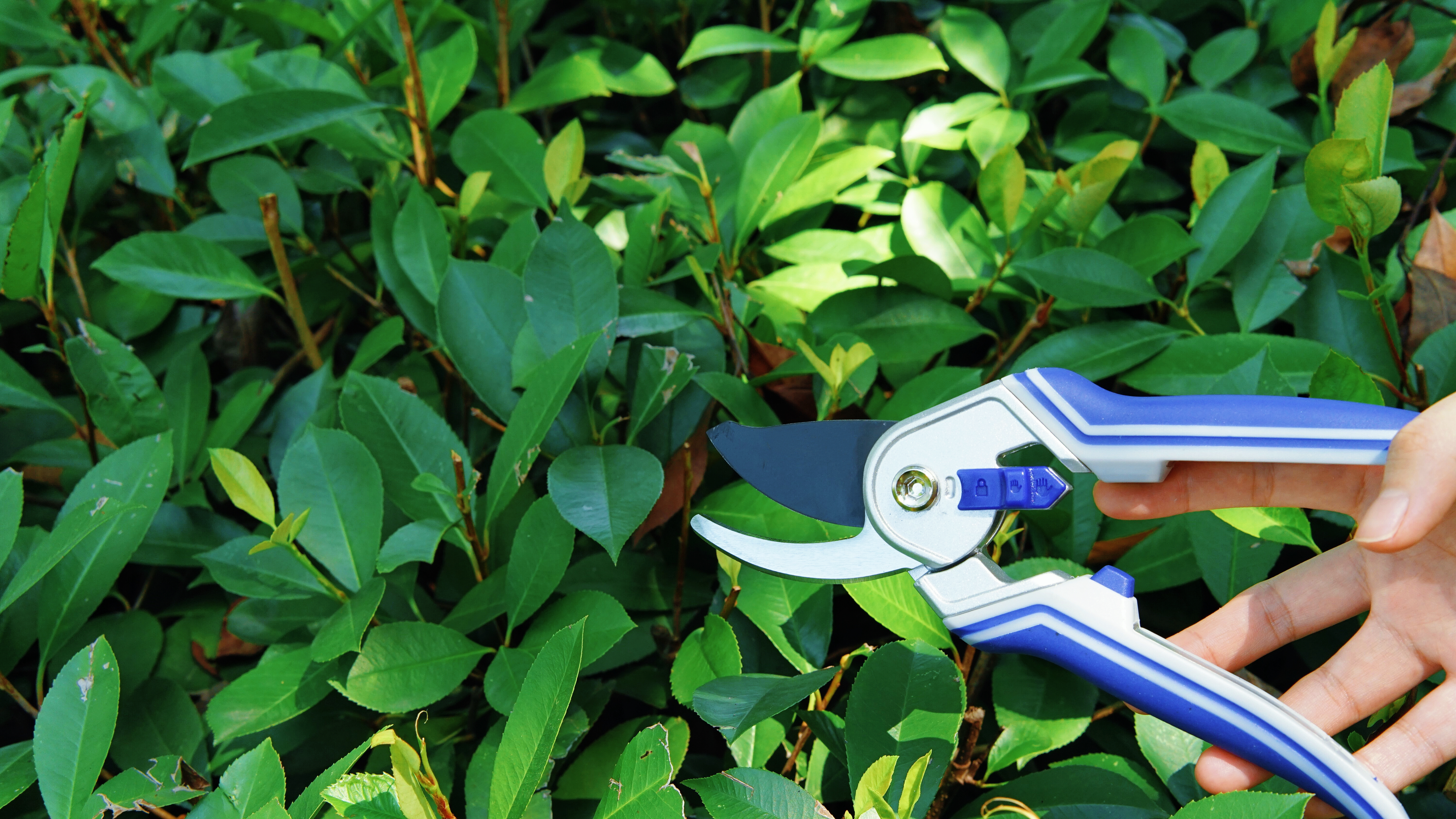
The clustering structure of shrubs forms a natural transition zone in the landscape, but the accumulation of old branches can lead to poor ventilation. When pruning, the principle of "remove the old and retain the new" should be followed. Use scissors to cut off the old branches that are over three years old close to the root, to create space for new shoots. The curved blade design of high-quality gardening scissors can fit the curvature of the branches, avoiding fiber tearing caused by pulling, and ensuring that the wound surface is smooth.
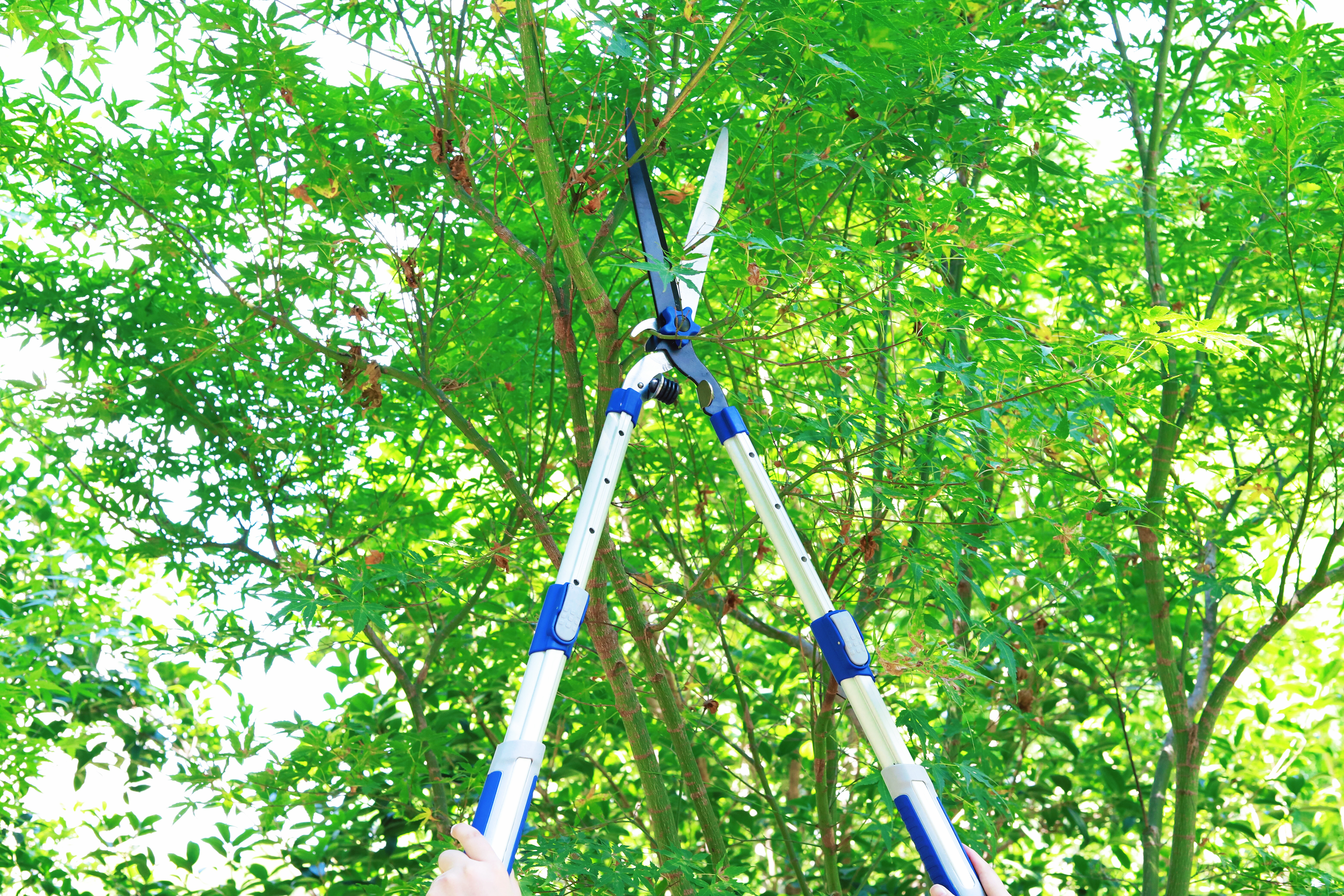
The hedges, as the "skin" of the garden, maintain their uniform shape through regular pruning. During the pruning process, a trapezoidal structure with a slightly narrower top and a slightly wider bottom should be maintained to ensure that the lower leaves can receive sufficient light. At this time, the sharpness of the gardening scissors directly determines the quality of the pruning: blunt edges will squeeze the leaf tissue, causing cell rupture and turning the wound into a brown necrotic spot; while sharp edges can quickly cut the cells, allowing the wound to form callus tissue within 24 hours, just like applying a "band-aid" to the plant.
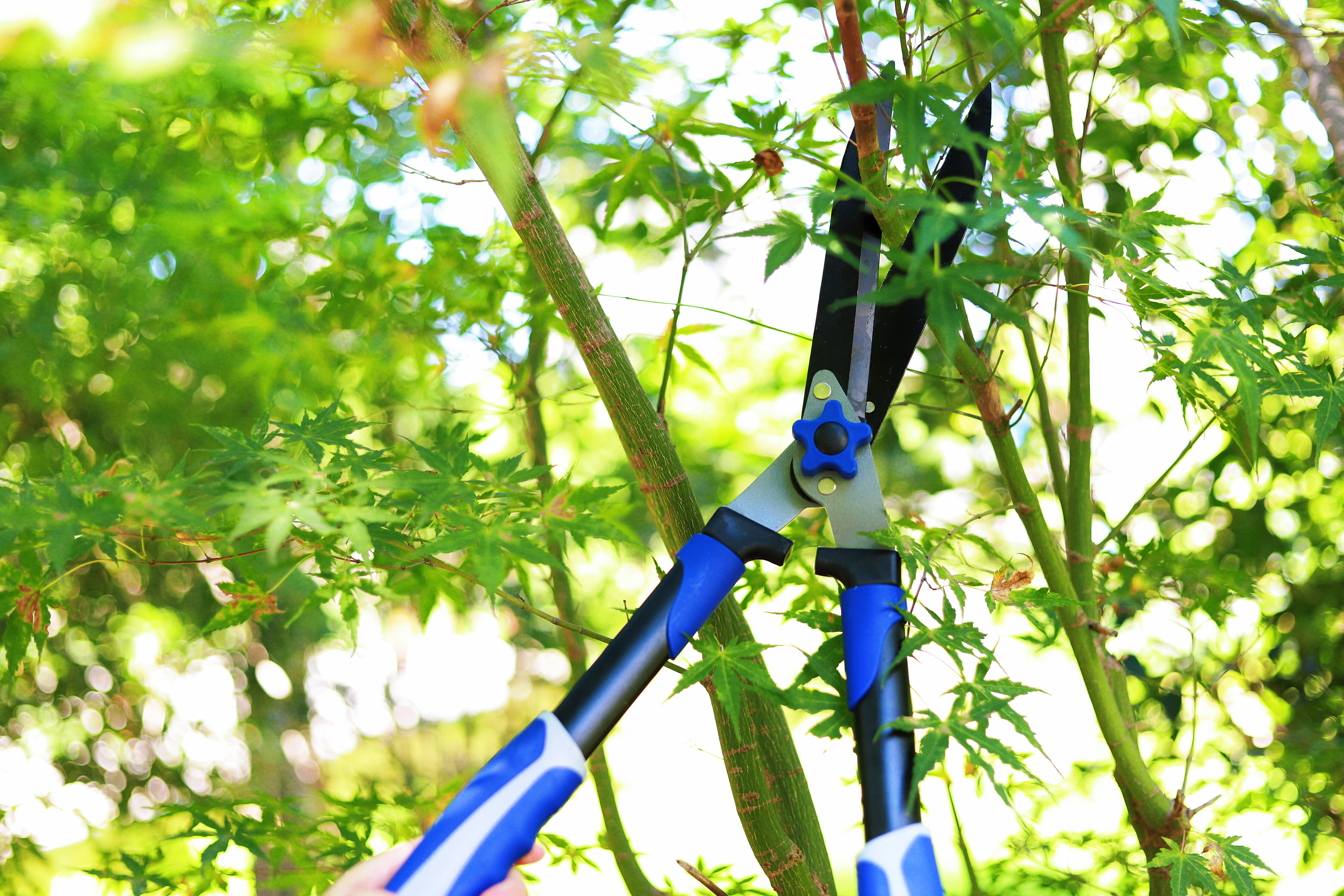
The wounds left by improper pruning often become the hidden killers of plant health. The tearing injuries caused by using ordinary scissors can expose the wood part to the humid environment, providing a breeding ground for fungi and bacteria. For instance, the splitting injury of the trunk of a tree may lead to the rotting of the wood part, and the symptoms of withering may not appear until several years later. This is precisely the core value of professional gardening scissors - by making smooth cuts, they reduce mechanical damage, lower the risk of plant infection, and make each pruning a gentle care for life.
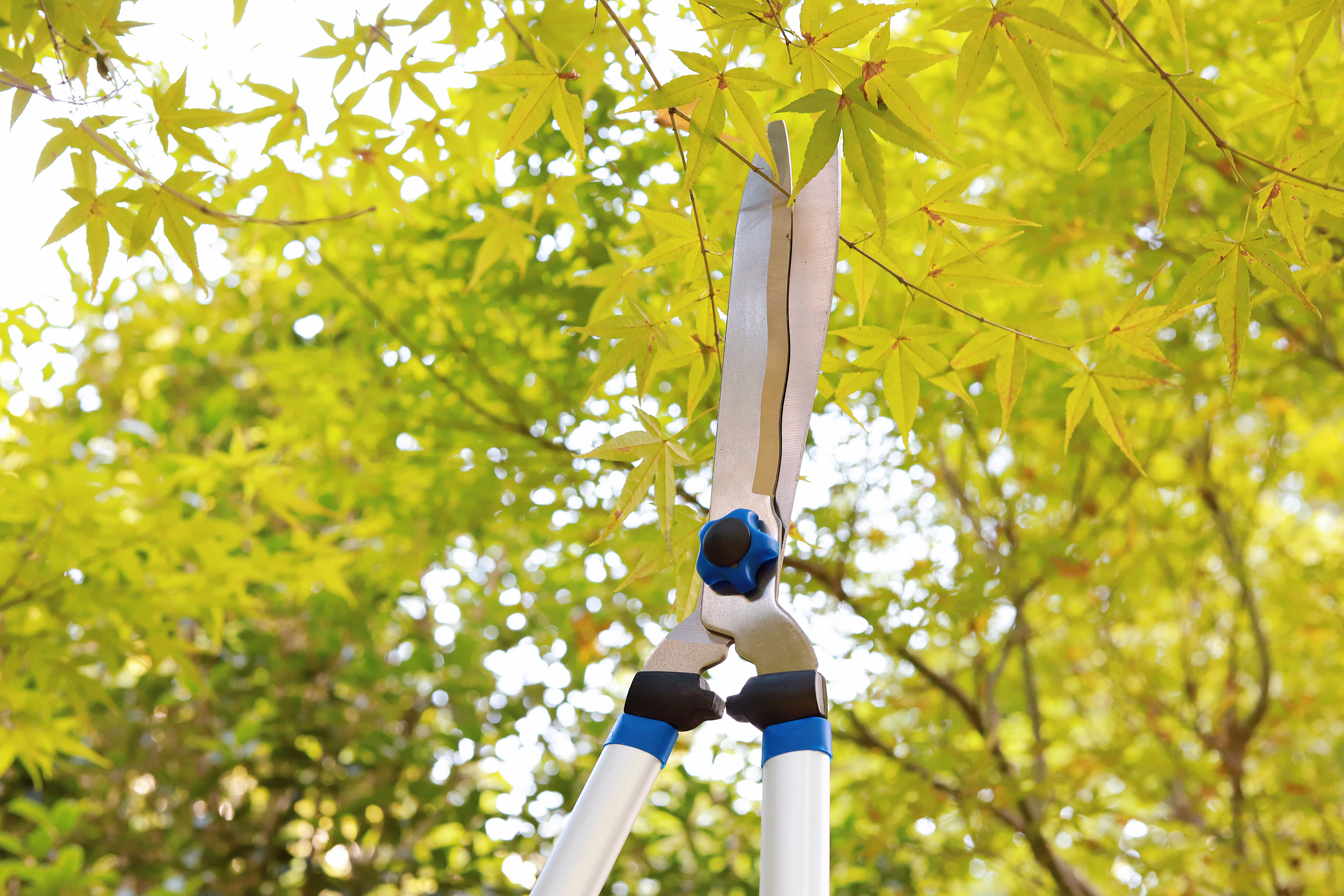
The art of garden pruning lies in respecting the growth patterns of plants while also infusing them with humanistic beauty. When the blade of the gardening scissors makes precise contact with the plant branches, the pruner is not only shaping the landscape but also preserving life. A high-quality gardening scissors serves as a bridge connecting humans and nature, making the "bones" more upright and the "skin" more delicate, ultimately creating the beautiful and ever-lasting charm of the garden.